
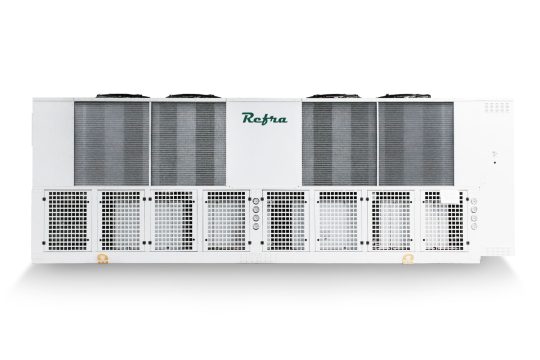
Industrial cooling is exchange to many sectors: food processing, chemical substance plants, manufacturing, data centres, cold depot, and more. But cooling systems are often among the biggest consumers of energy and sources of carbon paper emissions. To meet climate goals, reduce costs, and stay conformable with tightening regulations, industries are more and more adopting sustainable and energy efficient cooling system solutions, often with technical and consultancy support to check success https://refra.eu/product/chillers/.
What Makes Industrial Cooling Sustainable Energy Efficient
Before diving into solutions, it helps to sympathise the key criteria for property industrial cooling:
High vitality efficiency: Systems should minimize world power expenditure for a given cooling , often measured via prosody like COP(coefficient of public presentation) or kW t.
Low environmental footprint: This includes use of refrigerants with low Global Warming Potential(GWP) and Ozone Depletion Potential(ODP), tokenish leakage, optimized irrigate employment, and reduced waste heat.
Reliability and safety: Industrial settings need robust equipment, refuge from nephrotoxic flamable substances, and submission with codes.
Cost potency: Upfront investment(CapEx) must be equal by turn down operational costs(OpEx), upkee, and life-time.
Key Solutions Technologies
Here are some of the leading technologies and strategies being deployed or developed for property industrial cooling:
Advanced Chillers Optimization
High efficiency air cooled and water cooled chillers: using variable star zip compressors, improved optical condenser design, increased control systems. uatweb.usaid.gov+2Research and Markets+2
Magnetic aim chillers: these reduce rubbing in the system of rules and often reduce vitality use, especially under part load conditions. Research and Markets
Chiller set optimization via verify algorithms, AI, or reinforcement erudition to match cooling provide with and minimise viewgraph. arXiv+2uatweb.usaid.gov+2
Alternative Low GWP Refrigerants
Use of refrigerants like ammonia water(R 717) and hydrocarbons(e.g. R 290 propane) which have much lour GWP compared to many HFCs. These are competent but often make for refuge or regulatory trade offs. Standard Tech Impianti Srl
Emerging technologies based on solid state put forward cooling system: electricity, electrocaloric, magnetocaloric, ionocaloric effects. Such systems often have less animated parts and may operate more cleanly. Wikipedia+2Wikipedia+2
Hybrid Cooling Natural Cooling Techniques
Evaporative or adiabatic cooling system: using outside air or irrigate vaporisation to pre cool or reduce slews on physical science cooling systems. Seeley International is an example. Seeley International+1
Radiative cooling system materials: coatings or structures that passively emit heat into the standard pressure at Night(or even in day under certain designs), helping tighten cooling tons. arXiv+1
Water Quality System Maintenance
Clean, well maintained current water systems reduce grading, , micro-organism growth, which better heat transfer and reduce lost vim. ifm.com
Proper insulation, well designed piping, reducing heat leakages. GF Industry s pre insulated pipage systems, for example, cut CO emissions in cold lay in installations. gfps.com+1
Waste Heat Recovery
Many heavy-duty processes yield run off heat; capturing and reusing it(e.g. for preheating, quad warming, or in soaking up chillers) increases overall energy . uatweb.usaid.gov+2Research and Markets+20
Role of Expert Support Consultation
Even the best technologies underachieve without proper design, installation, surgical operation, and superintendence. This is where support comes in consultants, OEMs, specialised serve companies, technology firms.
Design Planning: Experts help tax cooling system load profiles, ambient conditions, site constraints, regulatory requirements, refrigerant choices, and refuge.
Commissioning Installation: Ensuring correct installation(orientation, insulating material, tight seals, piping, controls) so isn t lost before the system of rules starts operative.
Monitoring Optimization: Using sensors, data attainment, integer twins, AI to endlessly ride herd on performance, find inefficiencies or faults, and correct trading operations.
Maintenance Lifecycle Management: Regular cleanup, checking refrigerant leaks, water treatment, replacing parts helps preserve over time.
Regulatory, Safety Environmental Compliance: Experts check low GWP refrigerants, safe treatment of unsafe materials(e.g. ammonia), emissions and leak regulations, safety standards are met.
Challenges Barriers
Adopting sustainable cooling solutions isn t without its difficulties:
Upfront cost: Advanced chillers, solidness posit cooling, magnetised bearings, etc., often cost more at the start than standard .
Complexity: New technologies may want specialised skills or preparation. For example, treatment ammonia safely, desegregation AI based control systems, or selecting the right radiative cooling coatings.
Climate Location Constraints: Some cancel cooling system solutions or phase change systems bet to a great extent on ambient humidness and temperature. What works well in a hot, dry mood may not in wet or cold regions.
Regulatory Safety Issues: Low GWP refrigerants like hydrocarbons may have inflammability concerns; ammonia water is cyanogenetic; topical anaestheti laws may throttle certain substances or methods.
Maintenance and Operational Discipline: Systems degrade if not retained well; irrigate quality issues, fouling, insulating material impairment, etc., can gnaw .
What s Trending The Future
Looking send on, several trends are formation where sustainable heavy-duty cooling system is going:
AI battery-powered prophetical control: More use of simple machine eruditeness to anticipate cooling demand, optimize when to run chillers, incorporate weather forecasts and load patterns to minimize vitality use.
Solid state cooling breakthroughs: As electrocaloric, magnetocaloric, and ionocaloric materials better, they may become more commercially feasible for bigger industrial lashing.
Hybrid systems combine double cooling methods: For example, yoke phase transition pre cooling with conventional physical science cooling, or combine run off heat retrieval with soaking up chillers.
Decarbonization incentives regulation: Stricter environmental standards, carbon pricing, incentives subsidies for putting green tech will push industries to vest in property systems.
Focus on irrigate efficiency: With water scarcity maximising in many regions, optimizing irrigate use(in cooling towers, phase transition systems, condensers) becomes equally of import.
Material innovations passive voice cooling system: Improved coatings, edifice plan, passive heat rejection(radiative cooling system surfaces), thermic insulant advances all reduce cooling stacks before active systems even turn on.
Case Examples Success Stories
The S2Cool project(UK Pakistan collaborationism) is development vim efficient cooling solutions to battle extreme point heat in Pakistan, rescue lives and cutting environmental bear upon. uatweb.usaid.gov+2Research and Markets+21
GF Industry Infrastructure Flow Solutions: using pre insulated impressionable pipage systems for cold stores that reduce CO emissions significantly compared to traditional metal pipage. uatweb.usaid.gov+2Research and Markets+22
Seeley International: adiabatic cooling system for commercial heavy-duty spaces that improves air timber and reduces vitality costs. uatweb.usaid.gov+2Research and Markets+23
Case Study: water quality optimisation in closed loop building cooling system systems: reduction surmount, , and using remote monitoring to improve sustainability and cut costs. uatweb.usaid.gov+2Research and Markets+24
Best Practices for Implementation
To get the most out of sustainable cooling, heavy-duty operators should consider these best practices:
Start with a full scrutinise: tax flow cooling , inefficiencies, stream , site conditions.
Prioritize low wall hanging yield: cleansing, insulation, water treatment, repairing leaks often yield fast gains.
Choose technologies appropriate for climate, site, and load visibility not every tech works evenly everywhere.
Incorporate monitoring and performance prosody from the beginning: vitality use, ambient vs delivered temperature, maintenance logs.
Train staff and married person with credulous experts: both for installment and maintenance.
Plan for lifecycle costs, not just buy damage. Also plan for regulatory changes(e.g. refrigerant stage outs).
Conclusion
Sustainable industrial cooling is no longer nonmandatory it s a essential part of how companies will reduce , meet restrictive and situation obligations, and stay resilient in a thawing worldly concern. By combining sophisticated technologies(efficient chillers, solid state state cooling system, loan-blend systems), good design, fresh sustentation, and expert subscribe, heavy-duty trading operations can dramatically tighten energy expenditure, greenhouse gas emissions, and lifespan costs.
For companies willing to vest, the wages is real: lower vim bills, lour situation impact, and cleared competitiveness. As innovations continue and regulative forc increases, those who get in early on with well hanging systems are likely to lead the way.