
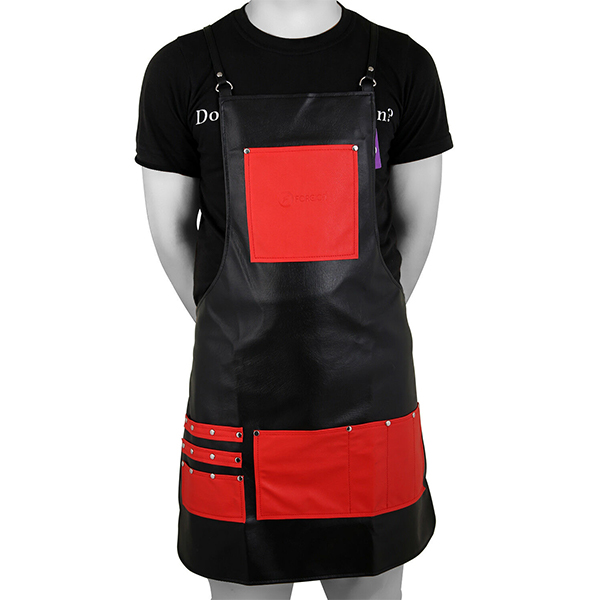
How to Remove Stains From an Apron
Aprons are designed to protect your clothes, so they often get dirty. Food, oil, coffee, sauce, hair products, paint, dirt, and other materials can leave stains on an apron. The good news is that many stains can be removed with simple cleaning methods.
The best way to remove a stain depends on the type of stain and the apron material. Cotton, canvas, linen, denim, and leather all need different care. Always check the care label before using a cleaning product.
Treat the Stain Quickly
One of the most important rules for removing stains is to act quickly. Fresh stains are usually easier to remove than old, dried stains.
As soon as you notice a stain, remove any solid material from the fabric. For example, scrape away dried food or paint carefully without damaging the fabric.
Avoid rubbing the stain aggressively. Strong rubbing can spread the stain or push it deeper into the material.
Check the Apron Care Label
Before trying any stain-removal method, check the manufacturer's care instructions.
The label may tell you whether the apron can be machine washed, which water temperature to use, and whether bleach or other cleaning products are safe.
If you are unsure about a cleaning product, test it on a small hidden part of the apron first.
How to Remove Food Stains
Food stains are common on kitchen and baking aprons. Tomato sauce, chocolate, vegetables, and other foods can leave visible marks.
Start by removing leftover food from the fabric. Rinse the stained area according to the care instructions, then apply a small amount of liquid laundry detergent to the stain.
Gently work the detergent into the fabric and allow it to sit for a short time. Wash the apron using the recommended cycle.
Check the stain before drying. Heat from a dryer can make some stains more difficult to remove, so repeat the treatment if necessary.
How to Remove Oil and Grease Stains
Grease and cooking oil can be difficult to remove because they do not mix easily with water.
First, remove excess oil without spreading it. Apply a small amount of liquid laundry detergent designed for the fabric and gently work it into the stained area.
Let the detergent sit for a few minutes, then wash the apron according to the care label.
Do not put the apron in a hot dryer until you are sure the stain has been removed.
How to Remove Coffee and Tea Stains
Coffee and tea stains are common on kitchen, cafe, and restaurant aprons.
Blot fresh liquid with a clean cloth or paper towel. Avoid rubbing because it can spread the stain.
Then treat the area with suitable laundry detergent and wash according to the fabric's care instructions.
If the stain remains after washing, treat it again before drying.
How to Remove Sauce Stains
Tomato sauce and other colorful sauces can leave strong marks on light-colored aprons.
Remove excess sauce carefully with a spoon or dull edge. Rinse or pre-treat the stain according to the heavy duty aprons manufacturer's instructions.
Apply laundry detergent to the affected area and allow it to work before washing.
Always check the fabric after washing. If the stain is still visible, repeat the process instead of immediately applying high heat.
How to Remove Chocolate Stains
Chocolate can contain both color and fat, so it is important to remove excess chocolate before cleaning.
Gently scrape away the solid chocolate. Apply a suitable laundry detergent to the remaining stain and wash according to the care label.
Do not use very hot water unless the fabric instructions specifically allow it.
How to Remove Ink Stains
Ink can be more difficult to remove than food stains. Avoid rubbing the ink because it can spread across the fabric.
Blot the area carefully and use a stain remover that is suitable for the specific fabric. Follow the product instructions closely.
Always test the product on an inconspicuous area before applying it to a visible part of the apron.
How to Remove Hair Dye From a Salon Apron
Hair dye can create difficult stains on salon and barber aprons. The best approach is to treat the stain as soon as possible.
Remove excess dye carefully and follow the apron manufacturer's cleaning instructions. Use a fabric-safe stain treatment if appropriate.
Do not assume that strong bleach is safe for the apron. It may damage colored fabric or weaken the material.
For professional salon aprons, following the manufacturer's care instructions is particularly important.
How to Remove Dirt and Mud
Gardening and outdoor aprons can collect dirt and mud.
Allow heavy mud to dry if it is very wet, then brush off loose dirt. Rinse and wash the apron according to its care instructions.
Canvas aprons may need more attention because dirt can become trapped in the heavier fabric.
Avoid using excessive force when brushing because it can damage the surface of some materials.
Check the Apron Care Label
0
Paint stains can be difficult because different paints require different cleaning methods.
First, identify the type of paint. Water-based paint may be easier to remove while it is still wet. Dried paint can be much harder to clean.
Do not use strong solvents unless the apron manufacturer confirms that they are safe for the fabric. Some solvents can damage colors, coatings, or synthetic materials.
For expensive or delicate aprons, professional cleaning may be a safer choice.
Check the Apron Care Label
1
Canvas is a strong material often used for barber aprons, work aprons, gardening aprons, and workshop aprons.
Brush away loose dirt first. Treat stains with a suitable detergent or fabric-safe stain remover.
Follow the manufacturer's washing instructions and allow the apron to dry completely before storing it.
Because canvas can be thicker than cotton, make sure the inside of the fabric is also fully dry.
Check the Apron Care Label
2
Linen is lightweight and can require gentle handling. Avoid aggressive rubbing, especially on delicate linen fabric.
Treat stains as soon as possible and use a mild cleaning product recommended for linen.
Follow the washing instructions carefully to help protect the fabric's appearance and shape.
Check the Apron Care Label
3
Leather should not normally be treated like a fabric apron. Do not put a leather apron in a washing machine unless the manufacturer specifically states that it is washable.
For small marks, gently wipe the surface with a suitable cloth. For deeper stains, use a leather cleaner made for the type of leather.
Avoid soaking leather in water or exposing it to strong heat.
Check the Apron Care Label
4
One important tip is to check the stain before using a dryer.
High heat can make some stains more difficult to remove. If the stain is still visible after washing, treat it again and wash the apron according to its care instructions.
Air drying may also be a suitable option for some fabrics.
Check the Apron Care Label
5
Using several strong products at the same time can damage an apron. It can also create unexpected reactions between cleaning chemicals.
Use one suitable product at a time and follow its instructions.
Never mix cleaning products unless the manufacturer specifically says they can be safely combined.
Check the Apron Care Label
6
The easiest stain to remove is one that never happens. Wearing the right apron for the job can reduce staining.
For cooking, choose an apron with good front coverage. For barbers and salon workers, a durable apron can help protect clothing from hair and products. For gardening and workshops, a heavy-duty canvas apron can provide better protection.
Pockets can also help keep tools away from food and other messy materials.
Check the Apron Care Label
7
Stains are a normal part of using an apron, but quick action and proper cleaning can help keep your apron looking good.
Treat stains as soon as possible, avoid aggressive rubbing, check the care label, and use cleaning products suitable for the fabric. Cotton, canvas, linen, denim, and leather all require different care.
Most importantly, avoid putting a stained apron into high heat until you know the stain has been removed. With regular cleaning and proper care, your kitchen apron, barber apron, salon apron, or work apron can stay useful and presentable for much longer.